Client Status Request

BLOG
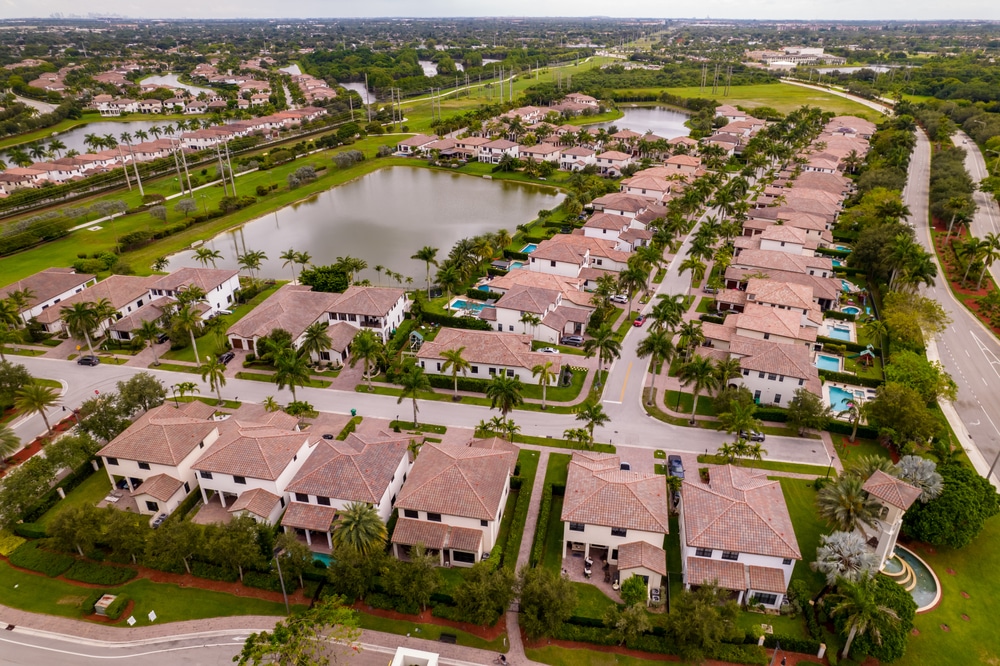
Lawsuits claiming negligence against community associations can expose them to serious legal and financial consequences, especially when they involve alleged personal injuries that occur on common property. Such cases underscore the need for associations to take and implement proactive measures to minimize risks and protect residents and guests.
Most governing documents make associations responsible for maintaining common areas and ensuring they are safe and free of dangerous conditions. When maintenance lapses lead to hazardous conditions, the results can be costly (and sometimes tragic). Associations and their directors should take a proactive approach to identifying and addressing potential risks before they escalate into legal and financial matters.
Commit to Regular Inspections
Association directors can only fix issues they are made aware of. Accordingly, routine inspections of a property’s common elements are essential for spotting hazards early. It is recommended for boards and management to establish a schedule for property walkthroughs that includes high-traffic areas like sidewalks, parking lots, pool decks, and sports courts. Look for cracks, uneven surfaces, or loose railings, anything that could cause accidents or injuries to persons or property. Consistent and thorough inspections enable directors and managers to stay informed as to the state of the common elements, and to act quickly to avoid any potential hazards.
Prioritize Repairs and Replacements
When inspections reveal damage or uncover problems that may lead to injury or loss, prompt action is critical. Delaying repairs not only increases the risk of injury but can also heighten legal exposure if an association was aware of the hazard but failed to make prompt repairs or corrective measures. Associations should prioritize making repairs and replacements as quickly and effectively as possible in order to protect residents, guests and invitees, while also helping to shield against potential legal liabilities.
Ensure Adequate Lighting
Inadequate lighting and visibility can turn minor hazards into major accidents. Installing and maintaining proper overhead and ground-level lighting in such common areas as walkways, parking lots, and recreational spaces are relatively small investments that improve the overall safety of a community, diminish potential risks and liability, and further enhance its aesthetic appeal.
Maintain Effective Insurance Coverage
Even with the best precautions, accidents and injuries can happen. Associations should carry comprehensive premises liability insurance and work only with contractors who have proper coverage. These added layers of protection help safeguard a community from exposure to significant potential legal and financial ramifications should any incidents occur.
Encourage Resident Communication
Residents and guests are often the first to notice hazards in communities. As part of the vigilance against any potential accidents or sources of liabilities, boards should make it easy for residents, guests and invitees to report hazards in the common elements. This collaborative approach ensures problems don’t go unnoticed between scheduled inspections, and it allows associations to respond promptly to any such matters.
Consult Legal Experts
When in doubt as to whether associations are subject to any potential legal exposure or liability, they should seek the advice and guidance of qualified and experienced legal counsel. Qualified attorneys can help boards navigate complex liability issues, ensure compliance with regulations, develop strategies to reduce risk, and implement effective solutions to legal issues that may arise.
Negligence claims against associations have led to severe legal and financial consequences for many communities. By scheduling and conducting regular inspections, addressing hazards promptly and effectively, maintaining insurance, and fostering open communication, associations and their directors can significantly reduce liability risks while creating a safer environment for everyone.