Client Status Request

BLOG
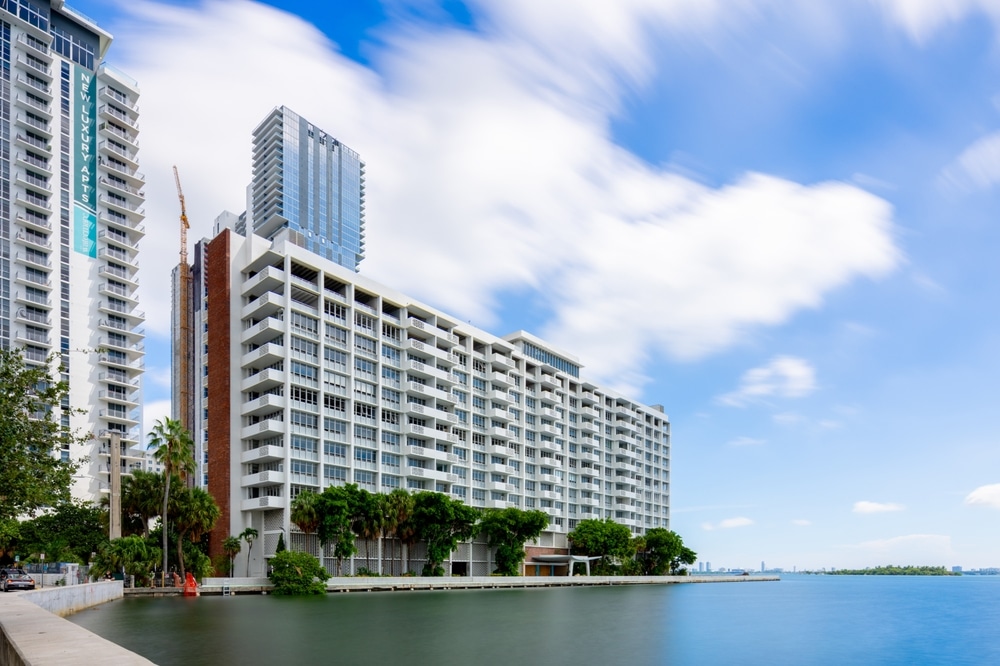
The Biscayne 21 case has become one of the most closely watched condominium termination disputes in Florida, offering important guidance for developers, associations and unit owners alike.
At the center of the dispute was a Miami condominium whose original declaration required the unanimous consent of all unit owners to terminate the condominium. After acquiring a controlling interest—reportedly 183 of 192 units (95.3125%)—the developer amended the declaration to lower the termination threshold from unanimous consent to the statutory minimum permitted under Chapter 718, Florida Statutes, which allows termination upon approval of at least 80% of the unit owners. Because the developer controlled well over 80% of the units, it moved forward with termination under the amended declaration.
Minority Owners Challenge the Amendment
A group of minority unit owners filed suit seeking to enjoin the termination. Their central argument was straightforward: reducing the termination requirement from unanimous consent to 80% materially impaired their voting rights under the original declaration.
The trial court initially denied the request for an injunction, concluding that the amendment did not alter voting rights in a legally significant way. The minority owners appealed—and the outcome changed dramatically.
The Third District Court of Appeal Reverses
Recently, the Third District Court of Appeal reversed the trial court and held that lowering the termination threshold from unanimous consent to 80% materially altered the unit owners’ voting rights.
Among the court’s key conclusions:
- Changing the termination vote requirement directly impacted substantive voting rights.
- The declaration did not contain the so-called “Kaufman language” (provisions incorporating statutory amendments “as amended from time to time”).
- Voting rights are legally significant and cannot be altered without clear contractual authority.
- Courts may not rewrite private contracts based on public policy considerations.
The appellate court certified the issue to the Florida Supreme Court as a question of great public importance. However, the Supreme Court declined to accept jurisdiction, leaving the Third District’s decision in place.
Following the appellate ruling, the trial court vacated its prior order and entered an injunction blocking the termination. The association was ordered to restore the minority plaintiffs’ units and undertake substantial repairs. The dispute then escalated further: the developer filed a lawsuit against the minority owners seeking monetary damages, and the minority owners responded with counterclaims reportedly seeking tens of millions of dollars. Both cases remain pending in Miami-Dade Circuit Court.
Why the Biscayne 21 Case Matters
It is important to recognize that the appellate ruling is highly fact-specific and rooted in the unique language of the condominium’s declaration. However, the Biscayne 21 decision may carry substantial implications for condominium termination efforts across Florida:
- Declaration language is critical. Termination provisions must be carefully analyzed before pursuing amendments.
- Voting rights are not technicalities. Amendments affecting voting thresholds may be subject to heightened judicial scrutiny.
- Kaufman language can be outcome-determinative. Its absence may limit reliance on statutory changes.
- Statewide uniformity is not guaranteed. Because the Florida Supreme Court declined review, other District Courts of Appeal could reach different conclusions.
- Legislative changes remain possible. Condominium termination continues to be a contentious policy issue in Florida.
The Takeaway
Perhaps the most significant lesson from Biscayne 21 is not simply the outcome of the appellate decision, but the court’s implicit acknowledgment that each condominium termination must be evaluated on its own terms.
Equally important is the role of experienced legal counsel throughout the process. Strategic legal guidance at the outset — including document interpretation, risk assessment and structuring of the termination vote — can materially influence both the likelihood of a successful termination and the association’s ability to withstand subsequent litigation.
As demonstrated in Biscayne 21, termination efforts that proceed without careful attention to governing document nuances and evolving case law may face significant judicial scrutiny, even where statutory termination requirements appear to have been satisfied.
We will continue to closely monitor this case and update our readers on any changes to the latest decision. Our community association attorneys are highly experienced in handling condominium terminations. If you are interested in learning more about condominium termination services, call us today.