Client Status Request

BLOG
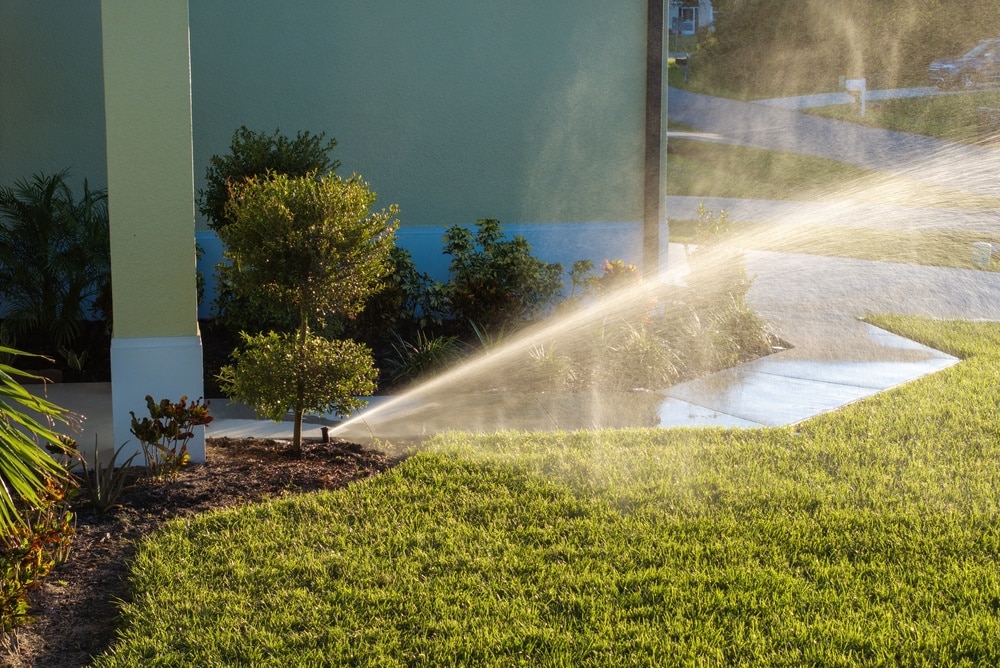
The firm’s latest Miami Herald “Real Estate Counselor” column was authored by shareholder Christyne D. Santisteban. The article, which is headlined “How Watering the Lawn Can End up in Court. What to Know About Maintenance, Risks,” focuses on the takeaways for community associations and other property owners from a recent slip-and-fall lawsuit against a South Florida condominium association involving water from its irrigation sprinklers. Her article reads:
. . . A lawsuit that was filed in mid-September against a Coconut Creek condominium and its property management company serves as a reminder of the potential repercussions of alleged shortfalls in such duties [of care]. The suit, which was brought by Cassandra Mayes against the Karanda Village III Condominium Association and its management firm, seeks compensation for a slip-and-fall accident that took place on the property.
The complaint alleges that in March of 2025, Mayes slipped and fell due to water that had accumulated on a common-area walkway in the condo community resulting from its landscaping sprinklers and irrigation system. It states she suffered injuries that resulted in severe physical pain and suffering, disability, disfigurement, mental anguish, loss of the capacity for the enjoyment of life, medical and hospital expenses, and the loss of the ability to earn wages. It also alleges that her losses are continuing and permanent.
The suit alleges that the defendants failed in their duties to properly maintain and inspect the walkway and irrigation system, remedy the accumulation of water on the walkway, warn of the unreasonably dangerous condition, and exercise reasonable care and precautions to protect pedestrians. It seeks a trial by jury for damages, costs, and any other relief that the Broward County Circuit Court deems appropriate.
Sprinklers help community associations to maintain attractive lawns and landscaping, but improperly positioned irrigation equipment can also create potential liabilities such as those alleged in this case. Water accumulating on sidewalks, walkways, driveways, or other pedestrian areas can create slippery conditions that may result in a slip-and-fall accident, so associations and their property managers should take practical steps to reduce these risks and help maintain safe premises.
Routine inspections and maintenance of irrigation systems are vital risk-management practices. Sprinkler heads can become misaligned, damaged, clogged, or otherwise defective, causing water to spray onto sidewalks and other areas where people walk.
Property owners, landlords, community associations, and property managers should periodically inspect irrigation systems to identify problems. Inspections should include checking sprinkler heads, valves, timers, and other components to ensure that water is being directed toward landscaped areas rather than pedestrian surfaces.
The timing and duration of irrigation can also affect safety. Sprinklers that operate during periods of heavy pedestrian traffic may unnecessarily increase the risk of someone encountering a wet or slippery walkway. As a best practice, irrigation schedules should be programmed for times when pedestrian traffic is minimal to help reduce the risk of liability.
Sprinkler heads should also be properly adjusted to prevent unnecessary overspray. Even a system that is functioning as designed can create a recurring wet area if its coverage extends onto a sidewalk or other pedestrian surface.
A property owner who becomes aware that an irrigation system is creating hazardous conditions should promptly take reasonable steps to address the problem. This may include repairing or repositioning a sprinkler, changing the irrigation schedule, removing standing water, posting warning signs, or temporarily restricting access to an affected area.
The documentation of all such efforts can also be very helpful. Owners and managers should maintain records of inspections, repairs, maintenance requests, and communications concerning irrigation-related problems, as such records help demonstrate that reasonable maintenance procedures were in place and reported hazards were addressed.
Irrigation water may also become a greater concern when walkways have inadequate drainage or landscaping directs water toward pedestrian areas. Property owners should consider whether grading, vegetation, drainage features, or other site conditions are contributing to a recurring accumulation of water.
Potential liabilities caused by wet walkways depend on the circumstances, including the nature of the property, the condition that caused the water accumulation, whether the owner knew or should have known about the condition, and whether reasonable measures were taken to address it. Associations should therefore avoid assuming that a seemingly minor irrigation problem presents no legal concern.
Preventing water from accumulating on walkways is ultimately both a maintenance and a risk-management issue. Regular inspections, properly adjusted irrigation systems, prompt repairs, appropriate drainage, and good documentation can help property owners and managers to reduce the likelihood of accidents and potential premises-liability claims.
Because liability questions are highly fact-specific, associations and other property owners/managers should consult with qualified legal counsel when recurring conditions raise concerns about potential liabilities or an irrigation-related hazard results in an injury. If a recurring problem cannot be resolved simply by adjusting sprinkler heads, consultation with qualified irrigation or landscaping professionals may help identify and implement a permanent solution. . .
By taking a proactive approach to addressing such conditions and potential hazards, Christyne concludes that associations and their property managers can help to avoid incidents and liabilities such as those alleged in this recent suit.
Our firm salutes Christyne for sharing her insights on the takeaways from this recent lawsuit for Florida communities and property owners with the readers of the Miami Herald. Click here to read the complete article in the newspaper’s website.
Our South Florida community association attorneys write about important matters for associations and other property owners in this blog and our Miami Herald column, which appears every two weeks on Sundays, and we encourage association directors, members and property managers as well as all property owners to click here and subscribe to our newsletter to receive our future articles.